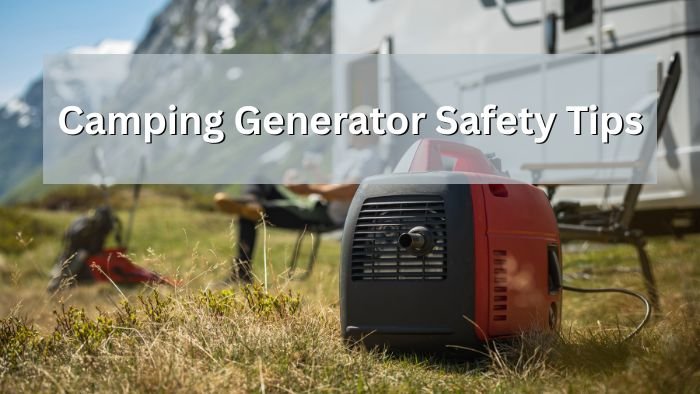
When you're out in the wild, miles from the nearest outlet, a camping generator feels like a lifesaver. It powers everything from your coffee maker to essential medical devices, transforming a rustic campsite into a comfortable retreat. But with great power comes great responsibility. Using & Maintaining Your Camping Generator Safely isn't just about convenience; it's about protecting yourself, your loved ones, and your gear from preventable hazards.
Think of your generator as a valuable, albeit complex, piece of equipment. Understanding its nuances, respecting its power, and adhering to strict safety protocols are non-negotiable. This guide will walk you through everything you need to know to ensure your generator serves you reliably and safely on every adventure.
At a Glance: Your Generator Safety Essentials
- Outdoor Operation ONLY: Always place your generator at least 20 feet from doors, windows, and vents. Never operate it indoors or in partially enclosed spaces.
- Cool Down Before Refueling: For gasoline generators, let the unit cool for at least 30 minutes before adding fuel. Propane generators don't require this cooling time, but always shut them off.
- Prevent Carbon Monoxide (CO) Poisoning: CO is an invisible, odorless killer. Always use CO detectors and ensure proper ventilation.
- Proper Electrical Connections: Use heavy-duty extension cords and never overload the generator's wattage capacity.
- Regular Maintenance: Keep your generator clean, check for wear, and follow the owner's manual for service intervals.
- NEVER Backfeed: Connecting your generator directly to your home's electrical panel is extremely dangerous and often illegal.
Getting Started: Choosing & Knowing Your Generator
Before you even think about firing it up, a little preparation goes a long way. The right generator for your needs—and a thorough understanding of its capabilities—is your first line of defense.
Picking the Right Power Partner
Your camping generator should match your power demands. A smaller, portable unit might be perfect for charging phones, running a few lights, and perhaps a small cooler. If you're planning on powering more substantial appliances like a portable air conditioner or a microwave, you'll need a larger generator with higher wattage output. Consider the fuel type, too: gasoline is common and readily available, while propane offers a cleaner burn and longer shelf life without degradation concerns.
The Owner's Manual: Your First Commandment
Seriously, read it. Every generator is a little different, and your owner's manual is the definitive guide to safe operation, proper maintenance schedules, starting procedures, and specific warnings for your model. Skimming it might seem like a shortcut, but it's a dangerous gamble when dealing with a powerful piece of machinery.
The Golden Rule: Carbon Monoxide Safety
This is the most critical safety message when operating any generator: Carbon Monoxide (CO) is a silent, invisible killer. It's an odorless, colorless gas produced by burning fuels, and it can build up to deadly levels in enclosed spaces in minutes.
Outdoor & Away: The 20-Foot Rule
You must always operate your generator outdoors, far away from any structures. A minimum distance of 20 feet from doors, windows, and vents is essential to prevent CO fumes from entering tents, RVs, cabins, or homes. Point the exhaust away from any occupied spaces. Even a garage with the door open is considered an enclosed space and is incredibly dangerous.
"But my generator has a CO sensor!" you might say. While many modern generators feature built-in CO sensors that shut off the unit if levels get too high, these are safety features, not an invitation to operate indoors. They're a last resort, not a primary safety measure. Think of them like airbags in a car—they're there for emergencies, but you still wear your seatbelt and drive safely to avoid needing them.
Level Ground & Clear Airflow
Place your generator on a flat, stable surface to prevent it from tipping over, which could spill fuel or cause damage. Ensure there's ample, unobstructed airflow around the unit. If you're using a generator cover, choose one specifically designed to allow proper ventilation, even during a storm. Never use tarps or store a running generator in a cluttered shed as a makeshift cover; these pose serious fire and CO risks.
The Unavoidable Exception (and the Lifesaver)
In extremely rare, unavoidable situations—like powering a sump pump during a flood where the generator cannot be placed outside due to rising water—and only if direct indoor placement is absolutely critical, you must use a battery-operated carbon monoxide detector indoors. This is a measure of last resort, and again, the general rule is outdoor operation only.
Powering Up & Fueling Your Adventure Safely
Operating your generator isn't complicated, but specific steps ensure its longevity and your safety.
The Start-Up & Shut-Down Dance
To prevent power surges that could damage your appliances or the generator itself:
- Starting Up: Turn on your generator and let it run for a few minutes without any devices plugged in. This allows the engine to warm up and stabilize.
- Shutting Down: First, disconnect all devices and let the generator run without a load for a few minutes. This cools down the engine and helps prevent carbon buildup before you finally turn it off.
Refueling: A Cool Head Prevails
This is where fuel type really matters:
- Gasoline Generators: Gasoline is highly flammable. Engine parts get incredibly hot during operation. To prevent a dangerous spark from igniting fuel vapor, always allow a gasoline generator to cool down for at least 30 minutes before attempting to refuel it. Never refuel a hot or running generator.
- Propane Generators: With propane, you don't need to wait for cooling. Simply turn off the generator before disconnecting the empty tank and attaching a full one.
Smart Fuel Storage
For gasoline generators, long-term storage requires a bit more thought. If your generator will be unused for several months, don't store it with fuel in the tank. Instead:
- Shut off the fuel valve.
- Let the generator run until it completely sputters and dies, consuming all the fuel in the carburetor.
- For any fuel you do store, add a fuel stabilizer to prevent degradation.
- Consider using Ethanol-free gasoline (especially blended with a stabilizer) for your generator. Ethanol can attract water, leading to rust, corrosion, and clogged fuel lines over time.
Mind Your Run Time
While generators are built for endurance, they aren't designed to run indefinitely. Most manufacturers recommend giving your generator a break—for instance, a 30-minute cool-down period after 24 hours of continuous use. This prevents excessive wear and tear on components and allows the unit to dissipate heat. Always check your specific generator's manual for its recommended run times and cool-down intervals.
Weathering the Storm (Safely)
Don't operate your generator in wet or rainy conditions unless it's specifically protected by a generator tent or enclosure designed for all-weather use that still allows ample ventilation. Exposed electrical components and fuel can become a serious hazard when wet.
Electrical Connections: Don't Get Zapped
Your generator provides power, but how you connect to it and manage that power is crucial.
The Right Cables for the Job
Always use heavy-duty outdoor extension cords that are rated for the voltage and wattage of the appliances you're powering. Thin, flimsy cords can overheat, melt, and cause fires, especially under heavy loads.
Watch the Watts: Preventing Overload
Every generator has a maximum wattage output. Exceeding this limit, even momentarily, can damage your generator and create a fire hazard. For example, simultaneously running a 1,500-watt heater, a 300-watt refrigerator, and a 1,000-watt microwave will put a significant strain on most camping generators, potentially leading to an overload.
Signs of an overloaded generator include:
- Dimming lights
- Appliances unexpectedly shutting off
- The generator engine sounding louder or straining
- Tripped circuit breakers on the generator
If you notice these signs, immediately reduce the load by unplugging some devices. It's a good practice to map out the power needs (starting watts and running watts) of your essential appliances against your generator's output capacity to prevent overloads. For a deeper dive into generator selection and understanding power needs, check out our ultimate guide to camping generators.
Give it Room: Distance from Flammables
Generators produce a lot of heat, especially when running under a heavy load. Components can reach hundreds of degrees Fahrenheit. Always keep your generator at least five feet away from any combustible objects or materials, such as dry leaves, tents, fuel cans, or brush. The only exception would be a certified, non-combustible generator enclosure specifically designed for safety.
Long-Term Care: Maintenance & General Safety
A well-maintained generator is a safe and reliable generator. Regular checks and basic upkeep will save you headaches (and potential dangers) down the road.
Keep it Clean and Check for Wear
Routinely inspect your generator for signs of wear, cracks, leaks, or damage. Keep it clean from dirt, debris, and fuel spills. If you spot any significant issues, have a qualified technician inspect and repair them. Don't try to fix complex problems yourself unless you're specifically trained.
Fuel Savvy
Always use the correct type of fuel specified in your owner's manual. Using the wrong fuel can cause serious engine damage, void your warranty, and create unsafe operating conditions.
Essential General Safety Rules
- Never leave a running generator unattended.
- Keep children and pets away from the generator at all times. They can be curious and might accidentally touch hot components or tamper with controls.
- Turn off your generator when it's not in use. Not only does this save fuel, but it also eliminates unnecessary noise and potential hazards.
Advanced Safety & Critical Warnings: Don't Skip These!
Some generator safety considerations go beyond basic operation. These are crucial, especially if you're thinking about using your generator beyond simple plug-and-play applications.
Grounding Your Generator: When and How
Grounding a generator is about protecting against electrical shock from fault currents (like high voltage, lightning, or a short circuit) by directing that energy safely into the earth.
- When it's NOT always needed: For typical camping use, where you're plugging appliances or power tools directly into the generator's receptacles using standard extension cords, a separate grounding rod is generally not required. Most modern portable generators provide sufficient grounding through their own frame. Always consult your generator's manual for specific instructions regarding its design.
- When it IS required: If you intend to power your home's electrical circuits with your generator (even temporarily), a grounding rod is almost always necessary. This is a more complex setup that requires professional expertise.
- Consult the Experts: If you're considering connecting your generator to your home's wiring, you must consult your generator's manual, a licensed electrician, and your local building officials. Requirements can vary significantly from the National Electric Code (NEC) based on local ordinances.
- Types of Generators & Grounding:
- Neutral-bonded generators have their neutral wire connected to the generator's frame. These usually require a grounding rod if connected to a home's electrical system.
- Floating neutral generators do not have the neutral wire connected to the frame. When powering household circuits, these definitely require a grounding rod connected to the generator's ground terminal.
- GFCI Outlets & Home Circuits: If your generator has Ground Fault Circuit Interrupter (GFCI) outlets (which trip on a fault to prevent shock), and you're using it to power household circuits, you'll need a special
neutral switchingmanual transfer switch (a three-pole switch) and proper grounding via a grounding rod. This ensures the GFCI functions correctly and maintains safety.
The takeaway: For camping, direct plug-in usually means no separate grounding needed. For home power, get professional help.
The Ultimate Danger: NEVER Backfeed!
This warning cannot be stressed enough: NEVER, EVER "backfeed" your generator into your home's electrical panel.
What is backfeeding? It's the act of connecting your generator directly to your home's electrical system without using a proper transfer switch that isolates your home from the main utility grid. It might seem like a quick way to power your house, but it is incredibly dangerous and often illegal.
The dangers of backfeeding are severe and multifaceted:
- Electrocution: Your generator can send a surge of electricity back into the utility lines, potentially electrocuting utility workers who are trying to restore power. These workers might assume the lines are dead and not take precautions. This is often referred to as "killing a lineman."
- Fire & Property Damage: Backfeeding can overload your home's wiring, leading to electrical fires and extensive property damage.
- Insurance Woes: Many insurance policies will deny claims for damages caused by improper generator use, especially backfeeding.
- Damage to Your Generator & Appliances: The sudden rush of power or improper voltage can ruin your generator, your home's electrical system, and any connected appliances.
The ONLY safe way to connect a generator to your home's electrical panel is through a professionally installed manual transfer switch. This device safely isolates your home from the utility grid, preventing power from flowing back into the lines. Do not attempt this yourself; always hire a licensed electrician.
Your Generator Safety Checklist: A Quick Reference
Before every use, take a moment to review this checklist:
- Is the generator placed outdoors, at least 20 feet from doors/windows/vents, with exhaust pointed away?
- Is it on a flat, stable surface with adequate ventilation?
- Are all extension cords heavy-duty and rated for the load?
- Is the fuel level adequate, and has the generator cooled for refueling (if gasoline)?
- Are kids and pets kept at a safe distance?
- Have you mapped out your power needs to avoid overloading?
- Are you using the correct fuel type?
- Have you inspected the generator for any visible damage or leaks?
Power Up Your Adventures, Safely
Using and maintaining your camping generator safely is about more than just following rules; it's about fostering a culture of preparedness and respect for powerful machinery. By understanding the risks, particularly those posed by carbon monoxide and improper electrical connections, and by committing to regular maintenance, you ensure that your generator remains a helpful companion, not a hazard.
So go ahead, plan your next outdoor adventure with confidence, knowing you have the knowledge to operate your generator responsibly and enjoy the comforts of power, wherever the open road (or trail) takes you.