It's 2 AM, the stars are brilliant, and the only sound you hear is the gentle hum of crickets… and the quiet, consistent thrum of your generator powering your coffee maker for an early start. That’s the magic of off-grid living, blending nature's serenity with life's comforts. Forget roughing it completely; with the right gear, your primitive campsite transforms into a luxurious outdoor escape. But finding the perfect power companion can be a maze. That’s why we’ve pulled together the Top Camping Generator Reviews & Comparisons to cut through the noise and help you pick the absolute best unit for your adventures.
From keeping your phone charged to running a full-sized RV air conditioner, portable generators are game-changers for campers, tailgaters, and anyone who loves the great outdoors but still appreciates modern conveniences. They’ve evolved from noisy, bulky beasts into powerful, portable, surprisingly quiet, and fuel-efficient machines. Ready to plug into the possibilities?
At a Glance: Your Quick Guide to Camping Generators
- Inverter Generators are King: They provide "clean" power, essential for sensitive electronics like laptops and TVs, and are generally quieter and more fuel-efficient.
- Match Watts to Needs: Don't overbuy or underbuy. Small inverters handle minimal gear; larger units (3000-7500W) power RVs and appliances.
- Quiet is Key: Aim for models with decibel ratings similar to normal conversation (around 57 dB) or lower. "Eco mode" helps here.
- Fuel Flexibility: Dual-fuel (gasoline/propane) options offer versatility and stable long-term storage for propane.
- Safety First, Always: CO sensors and proper outdoor operation are non-negotiable for your well-being.
- Portability Matters: Wheels, handles, and lighter weights make a huge difference, especially for units over 50 pounds.
Why Power Up Your Campsite? The Unsung Hero of Off-Grid Comfort
Imagine this: You're deep in the wilderness, far from any outlet, yet your phone is fully charged, your portable fridge is chilling drinks, and you can even watch a movie on a projector under the stars. This isn’t a fantasy; it’s the reality a quality camping generator creates.
These portable powerhouses turn "roughing it" into "glamping." Whether you’re relying on a CPAP machine overnight, keeping food fresh in an electric cooler, or simply wanting to enjoy the convenience of modern appliances while surrounded by nature, a camping generator is your ticket to freedom. It gives you the flexibility to extend your trips, venture further off the beaten path, and bring a touch of home wherever you roam.
Decoding the Power Puzzle: Types of Camping Generators
Before diving into specific models, let's understand the different types of generators you'll encounter. Each has its strengths, ideal uses, and considerations.
- Standard (Open Frame) Generators:
- What they are: These are your traditional generators, often recognizable by their exposed engine and components. They typically offer robust temporary power.
- Best for: Heavy-duty applications where noise and "clean" power aren't primary concerns, like running power tools on a construction site or backup for essential home circuits during an outage. They can be good for basic, non-sensitive camping needs but are less common for modern camping due to noise and lack of clean power.
- Considerations: Often louder and heavier than inverter models. Their power output isn't always as "clean," which can be an issue for sensitive electronics.
- Inverter Generators:
- What they are: The undisputed champions of modern camping. Inverter generators produce AC power, convert it to DC, and then "invert" it back to AC via advanced circuitry. This process filters surges and delivers a "clean sine wave" – essentially, perfect power, just like from your wall outlet at home.
- Best for: Powering sensitive electronics (laptops, phones, smart devices, TVs, CPAP machines), RVs, and any situation where quiet operation and fuel efficiency are priorities.
- Considerations: Generally more expensive upfront than standard generators but offer significant benefits in noise, fuel economy, and power quality.
- Electric Power Banks:
- What they are: Think of these as giant rechargeable batteries. They're fully electric, emit no fumes, and are practically silent.
- Best for: Shorter trips, minimal gear, or when silent operation is absolutely paramount (e.g., in noise-restricted campgrounds). They excel at charging phones, cameras, drones, and running small devices like mini-coolers or lights.
- Considerations: Limited by their battery capacity. Recharging can take several hours (or longer with solar add-ons), and they can't power high-draw appliances for extended periods.
- Solar Generators:
- What they are: These are essentially electric power banks bundled with solar panels, allowing you to recharge using sunlight.
- Best for: Eco-conscious campers, small devices, and extended trips where you have ample sunlight and lower power demands. They offer truly clean, renewable energy.
- Considerations: Charging speed depends entirely on sunlight. Panel size and battery capacity limit overall output and utility.
Note: Standby generators are permanently installed and auto-start during outages – not portable, so they won't be covered in this camping guide.
The Power Play: How to Choose the Right Camping Generator
Selecting your ideal camping generator involves balancing power, portability, noise, and fuel. Here’s a breakdown of the critical factors:
1. Output (Watts): Don't Guess, Calculate!
This is the most crucial consideration. You need enough power to run your desired devices without overloading the generator.
- Understanding Watts: Generators are rated by "running watts" (continuous power) and "starting watts" (a temporary surge needed to kick-start motors, like in an RV air conditioner or refrigerator).
- How to Calculate:
- List every device you plan to power simultaneously.
- Find the running watts for each device (usually on a label or in the manual).
- Sum the running watts.
- Identify the single device with the highest starting watts (often much higher than its running watts).
- Your generator's running watts should meet or exceed your total running watts.
- Your generator's starting watts should meet or exceed the highest individual starting watts on your list.
- General Guidelines:
- Minimal Gear (charging phones, lights): Electric power bank or small inverter (under 1000 watts).
- Small Appliances (coffee maker, fan, TV): 1000-2500 watts.
- Versatile Camping/RV (fridge, microwave, AC unit): 3000-4000 watts offers a good balance.
- Larger RVs/Multiple Heavy Appliances: 5000-7500 watts or more.
- Pro Tip: Look for models with 30-amp RV hookups if you plan to power your RV directly.
2. Size and Weight: Portability is Paramount
Camping means moving your gear. A heavier generator might offer more power but could be a nightmare to transport.
- Rule of Thumb: Determine your required wattage first, then seek the smallest and lightest generator that meets that need.
- Consider Your Setup: Will you be car camping, RVing, or backpacking? Car campers have more leeway with weight, but backpacking pretty much rules out anything beyond a small power bank.
- Enclosed Designs: These generally protect components better and contribute to quieter operation, often found in inverter generators.
3. Noise Level (Decibels): Keep the Peace
A loud generator can quickly spoil the tranquility of nature and annoy fellow campers.
- Decibel Ratings: Look for generators rated in decibels (dB). For context:
- Normal conversation: ~60 dB
- Refrigerator hum: ~40 dB
- Lawnmower: ~90 dB
- Sweet Spot: Many modern inverter generators operate in the 50-60 dB range, which is comparable to conversation. Some go even lower.
- Eco Mode: This feature automatically adjusts engine speed to match the load, reducing fuel consumption and noise when less power is needed. It’s a game-changer for quiet campsites.
4. Fuel Options: What Powers Your Adventure?
The type of fuel can impact efficiency, storage, and convenience.
- Gasoline:
- Pros: Most common, widely available.
- Cons: "Stale" fuel is a big issue – it can degrade, gum up carburetors, and cause corrosion if left in the tank for extended periods. Availability can be limited during outages.
- Prevention: Use a fuel stabilizer, or run the carburetor dry before storing. Ethanol-free gasoline is also less prone to degradation.
- Propane (LPG):
- Pros: Excellent for long-term storage (doesn't go stale), won't gum up carburetors, burns cleaner than gasoline. Often available via dual-fuel generators.
- Cons: Produces slightly fewer BTUs than gasoline, meaning a small reduction in starting and running watts. You’ll need to carry propane tanks.
- Natural Gas:
- Pros: Cleanest and quietest burning. Available with tri-fuel generators or some converted models.
- Cons: Produces the fewest BTUs (lowest wattage output). Requires a dedicated, professionally installed line, making it impractical for most portable camping scenarios.
- Dual-Fuel Generators: These offer the best of both worlds, letting you switch between gasoline and propane based on availability or preference. Many top models now offer this versatility.
5. Safety Features: Non-Negotiables
Your safety is paramount. Look for these critical features:
- Carbon Monoxide (CO) Sensor: Automatically shuts off the generator if dangerous CO levels are detected. Absolutely essential.
- Fuel Shutoff Valve: Allows you to cut off the gasoline supply to the carburetor, letting it run dry and preventing stale fuel issues during storage.
- Low-Oil Shutoff: Protects the engine from damage if oil levels drop too low.
6. Parallel Capability: Doubling Down on Power
Some inverter generators can be linked together using a special cable to combine their power output.
- Benefit: If you sometimes need more power but don't want to haul a single, massive generator, two smaller, parallel-capable units offer flexibility. You can use one for smaller loads and both for larger ones.
- Example: Two 2200-watt generators linked in parallel can provide up to 4400 watts of power.
7. Portability Features: Easier Hauling
Even moderately heavy generators benefit from thoughtful design.
- Wheels and Handles: Essential for anything over 50-60 pounds. Make sure the handles are robust and comfortable to grip.
- Compact Design: Enclosed units not only reduce noise but also make the generator easier to handle and store.
Critical Safety Considerations: Never Compromise
This section is vital. Portable generators produce carbon monoxide (CO), an odorless, colorless, deadly gas. Ignoring safety rules can have tragic consequences.
- NEVER operate a generator in an enclosed space. This includes garages, sheds, tents, RVs, or any area without ample ventilation. CO can rapidly accumulate to dangerous levels.
- Operate outdoors ONLY. Place your generator at least 20 feet away from your house, RV, or tent.
- Position the exhaust carefully. Ensure the exhaust fumes are blowing away from any windows, doors, or vents that could allow CO to enter living spaces. Always point it away from people and pets.
- Install CO alarms. Use battery-operated CO alarms inside your RV or tent if you are using a generator nearby.
- Generator Grounding (When to Worry):
- Direct Plugging: If you're just plugging devices directly into the generator's outlets, grounding is generally not required. The GFCI outlets on modern generators provide protection.
- Powering Home/RV Circuits: If you're connecting your generator to a manual transfer switch to power your home or RV's electrical panel, or if you're using a generator without GFCI outlets, grounding becomes critical.
- Consult the Manual: Always refer to your generator's operator's manual, a licensed electrician, and local ordinances.
- Neutral-Bonded vs. Floating Neutral: Some generators have a "neutral-bonded" frame (neutral wire connected to the generator frame). Others have a "floating neutral" (neutral not connected to the frame).
- Grounding Rod: Generators with GFCI outlets, when used with a neutral switching manual transfer switch for home circuits, must be grounded with a grounding rod driven into the earth.
Deep Dive: Top Camping Generator Reviews & Comparisons
Let’s explore some of the best camping generators on the market, each bringing something unique to the table. We'll highlight their key features, strengths, and ideal use cases to help you find your perfect match.
The Premium, Ultra-Reliable Inverters
1. Honda EU3000i
- The Gold Standard: When reliability and quiet operation are paramount, Honda is often the first name that comes to mind. The EU3000i is a workhorse, delivering a robust 3000 watts.
- Key Features: Renowned for its quiet operation (~57 dB), exceptional fuel efficiency (3.4-gallon tank offers 6.9-19.6 hours run time), and incredibly clean power. It can handle most heavy-duty camping appliances with ease.
- Ideal for: RVs, cabins, or extended camping trips where consistent, quiet power for substantial loads is non-negotiable.
- Considerations: High initial investment, but unmatched reliability and resale value.
2. Yamaha EF2200iS - Compact Powerhouse: Yamaha offers a fantastic blend of portability and power in a small inverter package.
- Key Features: High output for its size (2200 watts), an RV-ready plug, a reliable four-stroke motor, and a quiet muffler. Its "Smart Throttle" adjusts engine speed to load, boosting efficiency and reducing noise.
- Ideal for: RVs, campers, or anyone needing a significant power boost in a relatively compact, quiet package.
3. Generac iQ3800 Portable Inverter Generator - Best for Sensitive Electronics (Popular Mechanics Pick): Generac steps up with an inverter that prioritizes ultra-clean power.
- Key Features: Dual-fuel capability, closed-frame design for quiet operation, easy electric start, and a clear LED display. Crucially, it boasts a Total Harmonic Distortion (THD) of less than 3%, making its power incredibly stable and safe for the most sensitive devices.
- Ideal for: Users with high demands for clean, stable power for electronics, particularly if dual-fuel flexibility is desired.
The Versatile & Portable Choices
4. Honda EU2200i
- Best Overall Portable (Popular Mechanics Pick): The smaller sibling to the EU3000i, this is arguably the most popular camping generator for good reason.
- Key Features: Incredible portability (half the size/weight of many competitors), enclosed design for quiet operation (~68.9-81.2 dB depending on load), and clean power output. Thoughtful features like a gas cap vent closure and fuel shutoff valve enhance safety and storage. It's also parallel operation capable, meaning two units can combine for 4,400 starting / 3,600 running watts.
- Ideal for: Car camping, tailgating, smaller RVs, or anyone needing reliable, quiet power in a highly portable package. Many find this guide to camping generators points directly to its balance of features.
5. Champion Power Equipment 4500 - Feature-Packed Versatility: Champion consistently delivers excellent value, and their 4500-watt inverter is a prime example.
- Key Features: A substantial 4500-watt output (starting), dual-fuel (gas/propane) capability, parallel capable, and includes essential safety features like a CO sensor and fuel shutoff valve. Its Eco throttle keeps noise down (57 dB at full load, 48 dB at quarter load) and includes wheels/handle for transport.
- Ideal for: RV owners, campers needing more power for multiple appliances, or those who appreciate the flexibility of dual fuel and a robust feature set.
6. Champion 4,750-watt - Best Value for RVs (Popular Mechanics Pick): Another strong offering from Champion, geared specifically for larger power needs.
- Key Features: A hefty 4,750-watt capacity, perfect for powering home circuits or larger RVs, complete with a 30-amp RV receptacle. It's dual-fuel capable and comes with a propane adapter hose for convenience.
- Ideal for: RV enthusiasts looking for significant power and the flexibility of dual-fuel at a competitive price point.
7. Wen DF360iX - Best Budget Dual-Fuel (Popular Mechanics Pick): Wen is known for delivering solid performance without breaking the bank.
- Key Features: Affordable, dual-fuel (2,900W gas/2,600W propane running watts), and surprisingly light at 49 pounds. It offers multiple ports (30-amp RV, AC, DC, USB-A) and maintains quiet operation (~65 dB). A CO sensor and low fuel auto-shutoff add to its safety profile. Its 1.5-gallon gas tank offers about 5 hours at half-load, but a larger propane tank can extend that to 14 hours.
- Ideal for: Budget-conscious campers needing dual-fuel versatility and a good array of outlets for a range of devices, especially those with an existing propane supply.
8. GD400BN - Best Compact Power (Popular Mechanics Pick): For those who need serious power but value a compact footprint.
- Key Features: Powerful 3,000W output on propane, quiet operation, and a manageable 47-pound weight. It includes a 120V 30-amp RV outlet, offering dual-fuel capabilities.
- Ideal for: RVers or campers with propane hookups who need substantial power in a smaller, lighter package.
Budget-Friendly and Specialty Options
9. Craftsman 2500i Inverter Generator
- Solid Entry-Level Inverter: A great choice for those new to generators or with moderate power needs.
- Key Features: Affordable, quiet, 2500-watt output (starting) suitable for small devices, includes USB ports, and is parallel operation capable for future power expansion.
- Ideal for: Basic camping needs, charging devices, running lights, or small electronics without a huge upfront cost.
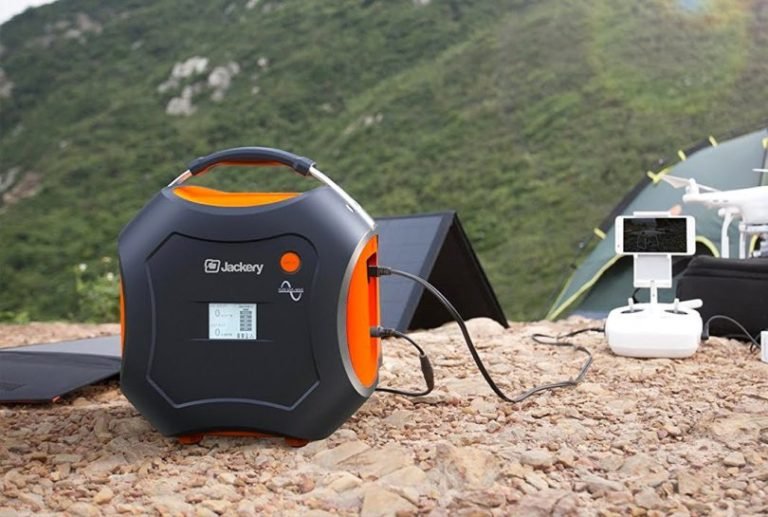
10. Jackery Explorer 1000 (Electric Power Bank) - The Silent Electric Option: If silence and zero emissions are your priority for shorter trips, a power bank is the way to go.
- Key Features: Fully electric, silent operation, 8 outlets (AC, DC, USB), and can run a TV for 9 hours or a mini-cooler for 13 hours. It's solar add-on ready and recharges via AC in about 5.5 hours. At 22 pounds, it's easily portable.
- Ideal for: Tent campers, photographers, drone pilots, or anyone needing silent power for electronics and small appliances on shorter adventures.
11. Westinghouse (Solar Generator Bundle) - Eco-Friendly Small Power: Harness the sun's energy for your smaller needs.
- Key Features: Solar power output for small devices, built-in flashlight, and an incredibly light 4 pounds.
- Ideal for: Backpacking, emergency kits, or supplementing other power sources for ultra-light needs like phone charging and small lights.
The Heavy-Hitters: When Max Power is Non-Negotiable
12. Pulsar 7,250-Watt Dual-Fuel Inverter Generator
- Most Versatile High-Power (Popular Mechanics Pick): When you need serious power without sacrificing inverter quality.
- Key Features: A massive 7,250-watt output, dual-fuel capable, and delivers clean power (THD < 3%) with stable frequency (59.97-60.09 Hz). Offers excellent value for its capacity.
- Ideal for: Large RVs, running multiple heavy appliances, or as a robust backup power source that can still handle sensitive electronics.
13. Harbor Freight Predator 9,500 - Best High Capacity (Popular Mechanics Pick): For the ultimate in portable power, the Predator 9,500 is a formidable option.
- Key Features: Large inverter capacity capable of powering critical home circuits or multiple high-draw RV appliances. Equipped with four wheels and a sturdy handle for easier transport despite its size. It's surprisingly quiet for its output and includes various plug ends (120V 20-amp, 240V 30-amp twist lock).
- Ideal for: Extreme power users, large RVs, job sites, or as a serious home backup generator that retains inverter quality.
Making the Final Decision: Your Ideal Camping Companion
Now that you've explored the options, let's bring it all back to your specific needs.
- List Your Gear: Truly assess what you need to power. Be realistic. A small inverter can run a coffee maker, but not an AC and a microwave simultaneously.
- Calculate Your Watts: Sum running watts, identify highest starting watts. This will narrow down your capacity range.
- Prioritize Quiet: If you camp in shared spaces or value tranquility, an inverter with a low dB rating and Eco mode is a must.
- Consider Fuel: Does dual-fuel make sense for your trips? Do you prefer the convenience of gasoline or the stability of propane?
- Assess Portability: How far will you be moving it? Do you need wheels and handles, or can you manage a lighter, carry-friendly unit?
- Budget: Generators are an investment. While premium models offer unmatched reliability, excellent budget-friendly options exist that provide great value.
Don't rush the decision. The right generator enhances your outdoor experience significantly, providing comfort and capability wherever your adventures take you.
Beyond the Purchase: Maintenance & Best Practices
Even the best generator needs a little love to perform optimally for years to come.
- Fuel Management:
- Gasoline: Always use fresh gasoline. If storing for more than a month, either add a fuel stabilizer before filling or run the carburetor dry. Ethanol-free gas is always preferable.
- Propane: Tanks are generally maintenance-free and the fuel doesn't degrade.
- Oil Changes: Follow the manufacturer's recommendations for oil type and change intervals. This is crucial for engine longevity.
- Air Filter: Clean or replace the air filter regularly, especially if operating in dusty conditions.
- Spark Plug: Inspect and replace the spark plug as recommended.
- Storage: Store your generator in a dry, protected area. Ensure the fuel tank is properly prepped for storage (stabilized or emptied for gasoline).
- Test Runs: Periodically run your generator (at least once a month for 15-20 minutes with a small load) to keep internal components lubricated and ensure it starts when you need it.
Ready for Off-Grid Adventures?
With the insights from these Top Camping Generator Reviews & Comparisons, you're now equipped to make an informed decision. Whether you opt for the silent hum of an electric power bank, the versatile power of a dual-fuel inverter, or the robust output of a high-capacity model, choosing the right generator opens up a world of comfort and convenience in the great outdoors. No more cutting trips short due to dead batteries or warm drinks. Go forth, explore, and power your next adventure with confidence!