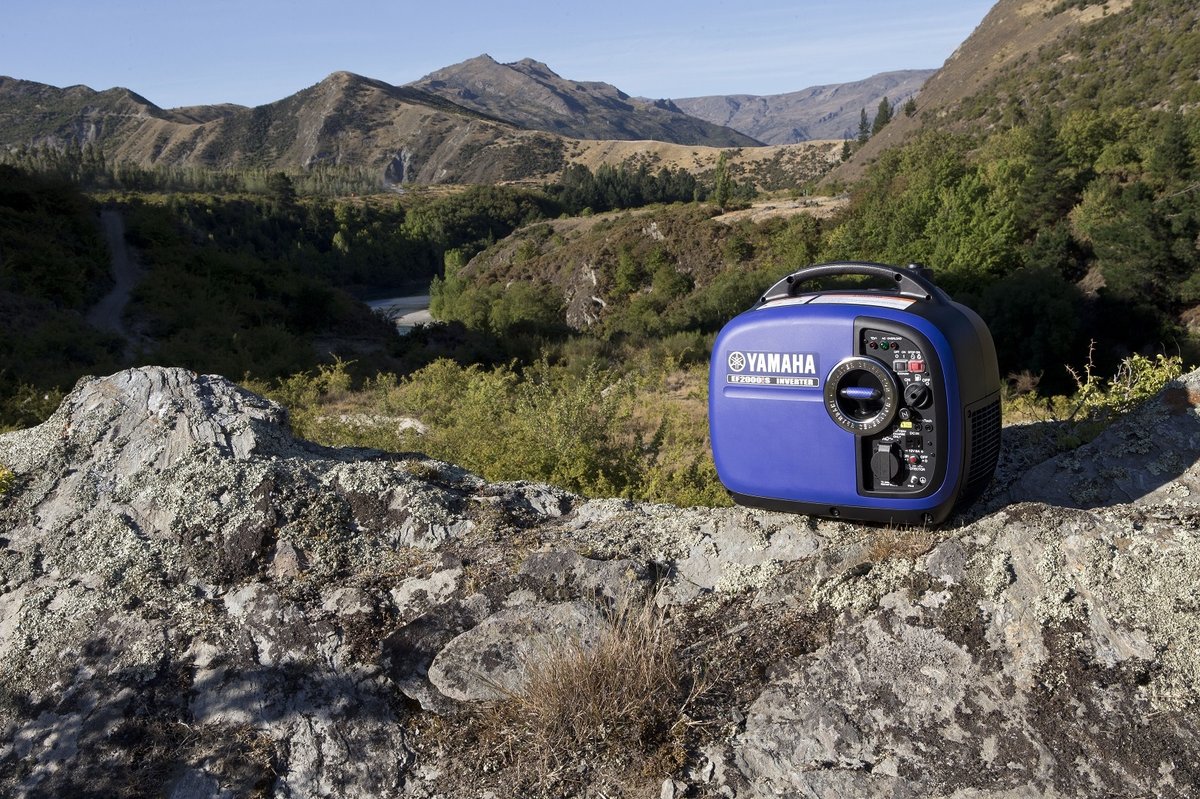
Heading out into the wild shouldn't mean leaving modern comforts behind, especially if you rely on essential devices or just crave a hot coffee under the stars. Deciding how to choose the best camping generator can feel like navigating a maze, but it's a critical step to ensure your off-grid adventures are powered smoothly and safely. This guide will cut through the noise, helping you pinpoint the perfect portable power solution that truly fits your unique camping style and energy demands.
At a Glance: Your Camping Generator Cheat Sheet
- Inverter generators are king: They're quiet, fuel-efficient, and safe for sensitive electronics.
- Size matters (power-wise): Most campers hit the sweet spot with 2000W-3000W; RVs might need 3000W-5000W.
- Noise is a dealbreaker: Aim for 60 dBA or less to keep your neighbors (and sanity) happy.
- Fuel type depends on need: Petrol is common, diesel for heavy use, LPG/dual-fuel for cleaner burning.
- Safety isn't optional: Low oil shutoff, overload protection, and CO alerts are must-haves. Never run a generator inside a tent or vehicle.
- Location rules: National parks often have strict noise or usage bans. Always check first!
Why You Even Need a Camping Generator (and When You Don't)
Let's be real: not every camping trip calls for a generator. If your idea of roughing it involves nothing more than a sleeping bag and a flashlight, or if your solar setup is robust enough to handle all your needs, you might not even need one. Similarly, powered caravan parks already have you covered.
However, for many of us, a camping generator unlocks a whole new level of comfort and security in the great outdoors. We're talking about powering mini-fridges to keep food fresh, charging phones and laptops, running lights, or even operating crucial medical devices like CPAP machines while miles from the nearest outlet. It's about having reliable power when the grid is a distant memory.
Decoding the Power Players: Types of Camping Generators
Not all generators are created equal, especially when it comes to camping. Understanding the main types will quickly narrow down your options.
Inverter Generators: The Camper's Best Friend
If you're looking for the gold standard in camping power, an inverter generator is it. These marvels of engineering are specifically designed with campers in mind.
- Quiet Operation: They’re significantly quieter than their conventional counterparts, making them ideal for shared campsites or serene bush locations where noise pollution is a no-go.
- Clean Power: Inverter technology produces a stable, "clean" sine wave, which is crucial for safely powering sensitive electronics like laptops, smartphones, and even your CPAP machine without risk of damage.
- Compact & Portable: Generally lighter and smaller, they're easier to transport and store in your vehicle or caravan.
- Fuel Efficiency: They often feature an "Eco Mode" that adjusts engine speed to match the load, saving fuel and extending run times.
In a nutshell: If you value peace and quiet, want to protect your gadgets, and need a portable, efficient solution, an inverter generator is almost certainly what you're after.
Conventional Generators: Overkill for the Campsite
You've probably seen (and heard) these on construction sites or powering entire homes during outages. Conventional generators are workhorses, but they're typically:
- Heavy-duty and Loud: Far noisier and bulkier, making them disruptive in a camping environment.
- Less Fuel-Efficient: They run at a constant engine speed, regardless of the power drawn.
- "Dirty" Power: Their power output can fluctuate, posing a risk to sensitive electronics.
Our take: Unless you're planning to run large power tools in an isolated location (which isn't typically "camping"), conventional generators are generally overkill and inappropriate for a relaxed outdoor experience.
Solar Generators / Power Stations: Green, Quiet, but Limited
For those committed to eco-friendly camping, solar generators (often called portable power stations) are an increasingly popular choice.
- Green & Silent: They run on battery power, charged by solar panels or mains electricity, meaning zero emissions and absolute silence during operation.
- Best for Light Needs: Perfect for charging phones, running LED lights, powering small fans, or even laptops.
- Sunlight Dependent: Their capacity is limited by battery storage and the availability of sunlight for recharging, which can be an issue on cloudy days or during extended stays.
- No Fuel Needed: No gas cans to carry, no exhaust fumes.
The verdict: Solar generators are fantastic for minimalist campers, weekend trips, or as a silent companion to a fuel-powered generator. Many savvy campers combine solar for daily, light needs with a fuel generator as a backup for high-demand items or longer stretches without sun. For a more comprehensive look at all your off-grid power options, including the pros and cons of different setups, check out our complete guide to camping generators.
How Much Power Do You Really Need? Understanding Watts
This is where many campers get stuck. It’s not about summing up the maximum wattage of every appliance you own; it's about what you’ll run simultaneously.
Running vs. Starting Watts: The Crucial Difference
- Running Watts (or Rated Watts): This is the continuous power an appliance needs to operate once it's on.
- Starting Watts (or Peak/Surge Watts): This is the temporary burst of extra power some appliances demand when they first kick on, especially those with motors (like fridges, air conditioners, or pumps). This surge can be 2-3 times their running wattage.
The Math (Simplified):
- List all the appliances you plan to run at the same time.
- Find the running watts for each. (Often listed on a label or in the owner's manual).
- Identify the appliance with the highest starting watts.
- Add up the running watts of all your simultaneous items.
- Add the highest starting watts from step 3 to this total. That's your estimated generator size.
Example:
- Laptop charger: 60W (running)
- LED lights: 30W (running)
- Camping fridge: 50W (running), 500W (starting)
If you run all three simultaneously, your power need is: (60W + 30W + 50W running) + 500W starting (for the fridge) = 640W.
You'd want a generator with at least 640W running and 500W starting capacity. But always give yourself a buffer!
The Sweet Spot for Most Campers
Most campers find that a 2000W–3000W inverter generator hits the sweet spot. This range comfortably handles essentials like a fridge, lights, phone chargers, and even a small microwave or hairdryer for short bursts.
For larger RVs with multiple appliances, air conditioning, or those who truly want to replicate a home-like experience, 3000W-5000W may be necessary. Generators in this higher range often come with more outlets and features to support heavier loads.
Key Considerations: Your Generator Decision Checklist
Now that you understand power needs, let's dive into the practical aspects that separate a good generator from a great one for your specific camping style.
1. Where Are You Camping? Location Dictates Rules
Your intended camping destination is one of the most critical factors influencing your generator choice.
- Off-Grid Bush Camping: Here, fuel efficiency, long runtime, and especially low noise levels are paramount. You'll be self-sufficient, so reliability is key.
- Caravan Parks: Many offer mains power, negating the need for a generator. If they don't, be prepared for strict noise regulations. A loud generator will quickly make you unpopular.
- National Parks and Reserves: This is a big one. Many national parks have outright bans on generators or extremely strict noise limits (e.g., under 60 dBA) and limited operating hours. Always, always check the specific park regulations before you go. Ignorance isn't an excuse, and fines can be hefty.
2. Noise Level (dBA): Don't Be That Camper
This cannot be stressed enough: a noisy generator can ruin your trip and everyone else's. Decibels (dBA) are a logarithmic scale, meaning a 10-point jump actually doubles the perceived noise.
- 60 dBA or less: This is generally considered quiet and acceptable for camping. Think of it like a normal conversation.
- 70 dBA+: This is loud, comparable to a vacuum cleaner or a running lawnmower. Avoid at all costs for camping!
Recommendation: Stick to inverter generators that operate under 60 dBA at 7 metres (the industry standard measurement distance). Premium models like the Honda EU2200i are renowned for their quiet operation, often ranging from 48-57 dBA depending on the load, making them excellent choices for serene environments.
3. Fuel Types: What Powers Your Adventure?
The fuel your generator uses impacts convenience, cost, and environmental footprint.
- Petrol (Unleaded): This is the most common and easily accessible fuel type for camping generators. It's readily available at almost any service station. However, petrol generators generally have higher fuel consumption than diesel and require careful storage. Most recreational campers use this due to its convenience.
- Diesel: Diesel generators are typically more fuel-efficient and robust, making them suitable for larger power needs or continuous, heavy-duty use. The trade-off? They are usually heavier, louder, and often more expensive upfront.
- LPG / Dual-Fuel: LPG (liquefied petroleum gas) or dual-fuel (petrol and LPG) generators are gaining popularity. LPG offers cleaner burning, produces fewer emissions, and has a significantly longer fuel shelf life compared to petrol. You'll need to carry extra LPG tanks, and some units may require adapters. The cleaner burn can also lead to less engine maintenance over time.
4. Essential Features: Beyond Just "On" and "Off"
Modern camping generators come with a host of features designed to make your life easier and safer.
- Inverter Technology: As discussed, this is crucial for clean, stable power for your sensitive electronics. It's a non-negotiable for most campers.
- Multiple Outlets: Look for at least 2 x 240V AC outlets to power your main appliances. USB ports are a huge bonus for charging phones and tablets directly without needing bulky adapters.
- Eco Mode (or Economy Throttle): This smart feature automatically adjusts the engine speed based on the actual power load. It's brilliant for saving fuel, reducing noise, and extending engine life, especially when you're only running a few small items.
- Parallel Capability: Some inverter generators can be linked together with a special cable to double their power output. This is fantastic if you need extra juice for an RV air conditioner on one trip, but prefer the portability of two smaller units for lighter loads on another.
- Lightweight Design: Hauling a heavy generator in and out of your vehicle is no fun. Anything over 25–30kg can be difficult for one person to move. Wheels and sturdy handles are a massive bonus and often found on higher-wattage models.
- Run Time: How long can it run on a single tank of fuel? Aim for at least 6+ hours at 50% load. This reduces the frequency of refueling, especially important on longer trips.
5. Safety Features: Don't Compromise
Safety should always be your number one priority when operating a generator. Look for these crucial features:
- Low Oil Shutoff: This automatically turns off the engine if the oil level drops too low, preventing potentially catastrophic engine damage.
- Overload Protection: This safeguards your connected appliances (and the generator itself) by automatically cutting power if the electrical load exceeds the unit's capacity.
- Carbon Monoxide (CO) Alerts: CO is an odorless, colorless, and deadly gas produced by generators. Modern units often include CO sensors that shut down the generator if dangerous levels are detected. This feature is vital, especially if you're camping in small or enclosed areas.
The Golden Rule of Generator Safety: NEVER run a generator inside a tent, caravan, vehicle, or any other enclosed space. Always operate it outdoors on a flat surface, away from sleeping areas, with plenty of ventilation, and pointed away from any openings into your living spaces.
Budget vs. Premium: What Your Wallet Says About Your Generator
Like most gear, camping generators come in a wide range of price points. Understanding what you get for your money helps manage expectations.
- Budget ($300–$800): Brands like Gentrax or Kings often fall into this category. These can be decent for short, infrequent trips or very low loads. However, be aware they may be louder, heavier, less fuel-efficient, and might offer less robust warranty support or parts availability. They're a good entry point if budget is tight and demands are minimal.
- Mid-Range ($800–$1500): This segment includes brands like Engel, smaller Yamaha models, or Cromtech. Here, you'll find a significant jump in build quality, quieter operation, better fuel efficiency, and more useful features. They offer reliable performance for regular weekenders and most caravanners, providing a great balance of cost and capability.
- Premium ($1500–$3000+): Top-tier brands like Honda, Yamaha (larger models), and Dometic inhabit this space. These generators offer ultra-quiet operation, exceptional durability, long lifespans, minimal maintenance, and excellent warranties/service networks. They are the go-to for serious off-grid travelers, full-time RVers, or anyone who demands the absolute best in reliability and performance. They are an investment that often pays off in peace of mind and longevity.
Top Brands & Specific Recommendations: Tried and Tested
When it comes to camping generators, some brands have earned their reputation for reliability and quality.
Reliable Brands to Consider:
- Honda
- Yamaha
- Engel
- Dometic
- GenTrax/Kings (budget-friendly options)
- Cromtech/Briggs & Stratton
Always prioritize a brand with a strong warranty and readily available parts and service network. You don't want to be stranded in the bush with a broken generator you can't fix.
Standout Models for Different Needs:
- Best Overall: Honda EU3000iS Inverter Generator
- Why it's great: Legendary reliability, exceptionally quiet (57 dBA), fantastic fuel efficiency (6.9-19.6 hours runtime on a 3.4-gallon tank), handles heavier appliances with ease. A true workhorse.
- Best Budget: Craftsman 2500i Inverter Generator
- Why it's great: Offers 2500W, USB ports, a quiet 4-stroke engine, and parallel capability at an accessible price point. Note: it can be heavier than some premium competitors.
- Quietest (All-Rounder): Honda EU2200i Inverter Generator
- Why it's great: A benchmark for quiet operation (48 dBA at quarter load, 57 dBA at full load). Features a CO sensor, Eco throttle for fuel efficiency, and a fuel shutoff valve for safe storage. A superb choice for general camping.
- Best for RVs: Champion 4500 Dual Fuel Inverter Generator
- Why it's great: Offers a robust 4500W, parallel capability, and the versatility of running on both gas (petrol) or propane (LPG). Includes wheels and a handle for easier maneuverability, essential for its size.
- Most Sustainable (Power Station): Jackery Explorer 1000 v2 Portable Power Station
- Why it's great: An electric power bank with 8 outlets and 9-13 hours of battery life. Can be topped up with solar panels (available as an add-on). At 22 pounds, it's very portable. Ideal for those who want silent, emission-free power for lighter needs.
- Best Small & Mighty: Yamaha EF2200iS Inverter Generator
- Why it's great: Delivers high power output for its compact size, includes an RV plug, features a quiet 4-stroke motor, and a smart throttle for efficiency. Yamaha is a close contender to Honda for reliability.
- Best Solar Bundle (Entry-Level): Westinghouse iGen160s Portable Solar Generator
- Why it's great: A complete bundle that includes a solar panel, perfect for powering smaller devices. Features a built-in flashlight and weighs only 4 pounds. Great for minimalist campers or as a supplemental charger.
Your Final Pre-Purchase Checklist: Go Forth and Power Up!
Before you click "add to cart," take a moment to run through this ultimate checklist. It’s about making a confident decision that you won't regret when you're miles from civilization.
- What gear absolutely needs power, and what are their individual and simultaneous wattages (running and starting)? Double-check those appliance labels!
- Is quiet operation essential for your typical camping locations? (Hint: almost always yes.)
- Will you be near other campers, or in regulated areas like national parks? Confirm noise limits and bans.
- Can you easily lift and carry the generator? Consider its weight, handles, and whether wheels are a necessity.
- What is the expected run time on a full tank (or charge) at 50% load? Will it last through the night or a full day without constant refueling?
- Are service and repairs readily available for the chosen brand in your area? Peace of mind is priceless.
Remember to also factor in essential accessories like proper outdoor-rated extension cords, a reliable fuel can (if applicable), and a weather-resistant cover.
Choosing the right camping generator is an investment in your comfort, convenience, and safety outdoors. By carefully assessing your needs against the types, features, and safety considerations outlined here, you'll be well on your way to finding a powerful companion that enhances every adventure, ensuring your off-grid experiences are always brilliantly powered.