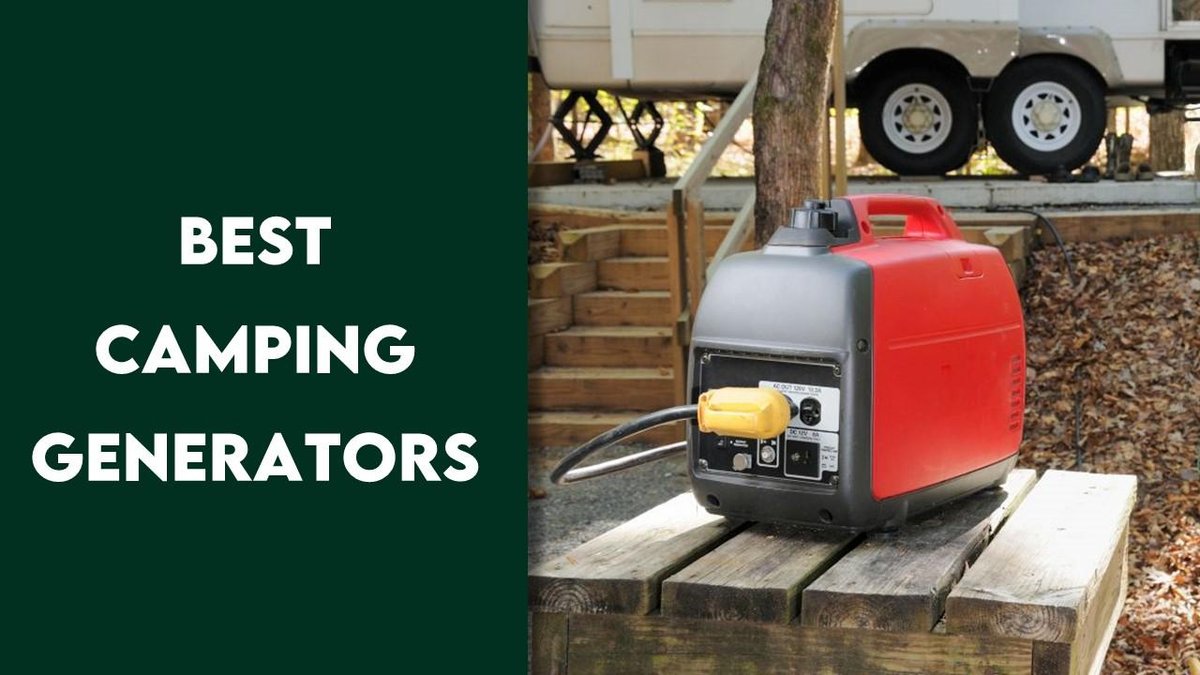
Powering your off-grid adventures means more than just owning a portable generator; it means having the right tools to operate it safely, efficiently, and reliably. For anyone serious about making their wilderness trips comfortable or ensuring power resilience during unexpected outages, understanding the Essential Accessories for Camping Generators is non-negotiable. These aren't just add-ons; they're the gear that transforms a simple power source into a robust, ready-for-anything system.
When you're far from civilization, every piece of equipment needs to pull its weight. A well-chosen accessory can be the difference between a smooth operation and a frustrating setback, keeping your devices charged, your lights on, and your adventure uninterrupted.
At a Glance: Key Takeaways for Generator Accessories
- Fuel is Fundamental: Proper fuel storage, safe delivery, and smart management are paramount. Choose suitable containers, consider stabilizers, and explore propane options for efficiency.
- Safety First, Always: Never compromise on power distribution and electrical safety. Invest in heavy-duty cords, understand transfer switches (for home use), and protect against overloads.
- Mobility Matters: Generators are heavy. Wheel kits, covers, and transport carts make moving and protecting your investment much easier.
- Maintenance Extends Life: Regular upkeep is vital. Maintenance kits, fresh oil, and clean filters prevent breakdowns and ensure peak performance when you need it most.
- Know Your Power Needs: Match accessories to your specific generator type and the devices you intend to power.
- Professional Installation: Critical electrical accessories like transfer switches must be installed by a licensed electrician.
Fueling Your Freedom: Smart Choices for Generator Fuel Management
A generator is only as good as its fuel supply. Managing that fuel safely and efficiently is paramount, especially when camping far from a gas station. The right accessories here aren't just convenient; they're vital for safety and reliable operation.
Smart Storage: Fuel Containers Built for the Wild
You can't just pour gas into any old jug. Proper Fuel Containers are purpose-built for safe transport and storage, preventing leaks and minimizing fire risks. They come in various sizes, typically 1 to 5 gallons, and are often made from durable plastic or metal. Your choice should reflect your generator's fuel consumption and the duration of your trip. For a weekend outing, a single 5-gallon container might suffice, but for extended boondocking, you'll need more capacity. Remember, safety standards like OSHA and EPA often dictate the design and labeling of these containers.
- Decision Criteria:
- Capacity: How long do you plan to run your generator? Factor in your generator's run time at various loads.
- Material: Durable, leak-proof plastic is common; metal cans offer extra robustness.
- Spout Design: Look for CARB-compliant spouts that minimize spills and accidental dispensing.
- Venting: Proper venting prevents pressure buildup.
Most camping generators run on gasoline or propane. While gasoline is widely available, propane is often heralded for its efficiency, cleaner burn, and longer shelf life without degradation. It's also stored in sealed tanks, eliminating the risk of spills and reducing fumes. For more insights into how different fuels stack up, you might want to dive into understanding generator fuel efficiency.
Safe Delivery: Fuel Lines and Caps
Beyond storage, how fuel gets from container to engine is crucial. Fuel Lines, often reinforced rubber or even stainless steel, are designed to ensure a steady, safe supply. Regularly inspect these lines for cracks, kinks, or leaks, especially after long periods of storage or before a big trip. Any compromise here can lead to dangerous fuel spills or engine starvation.
Similarly, a good Fuel Cap does more than just keep the fuel in. It protects your supply from dirt, debris, and, yes, even potential tampering or siphoning. A securely fitting, robust cap is a small but mighty accessory that contributes significantly to uninterrupted power and safety. Some generators even come with locking fuel caps for added security.
Containing the Unforeseen: The Spill Box
While less common for casual camping, a Spill Box is a valuable addition for larger, semi-permanent camp setups or base camps where a generator operates for extended periods. This simple accessory sits beneath the generator, ready to contain any accidental fuel or oil leaks. It's an environmental safeguard, preventing contaminants from seeping into the ground, and can also help keep your generator's immediate area clean and safe. While sometimes used to maintain battery temperature in industrial settings, its primary role for campers is spill containment.
Preserving Your Power: Fuel Stabilizers and Conversion Kits
Gasoline doesn't age gracefully. Over time, it can degrade, separating and forming gummy deposits that clog carburetors and fuel lines, leading to difficult starts or engine failure. A Fuel Stabilizer is an inexpensive yet invaluable additive that prevents this degradation, extending gasoline's shelf life for months or even years. This is especially critical for generators that sit idle between camping seasons. Add it to your fuel tank before long-term storage to save yourself a lot of headaches later. For more tips on how to prepare your fuel, check out this guide on safely storing generator fuel.
If you're looking for ultimate versatility, a Conversion Kit allows your generator to switch between different fuel types, typically from gasoline to propane or even natural gas. This offers significant convenience, especially if you have a ready supply of propane tanks for other camp appliances. Propane burns cleaner, reduces engine wear, and can be more cost-effective depending on local prices. However, these kits require careful installation, often by a professional, to ensure safe and efficient operation.
Distributing Power Safely: Essential Electrical Accessories
Once your generator is running, getting that power to your devices requires careful planning and the right electrical accessories. This section is all about safety, efficiency, and preventing common electrical hazards.
The Lifeline: Extension Cords and Generator Cords
It might seem basic, but choosing the correct Extension Cords is paramount. Not all cords are created equal. For generators, you absolutely need heavy-duty, outdoor-rated cords specifically designed to handle the power output. Using undersized or damaged cords can lead to:
- Power Loss: Voltage drop, meaning less power reaches your appliances.
- Overheating: The cord gets hot, potentially melting insulation and causing a fire.
- Fire Hazards: A significant risk if the cord cannot safely carry the load.
- Electrocution: Damaged insulation exposes live wires.
Always match the cord's gauge (thickness) and length to your generator's output and the distance to your appliances. Thicker gauges (smaller numbers, e.g., 10-gauge is thicker than 14-gauge) are needed for higher wattage appliances or longer distances. Look for cords with a "W" or "WA" rating, indicating suitability for outdoor use, and a robust, three-prong grounded plug.
A Generator Cord is a specialized extension cord, often featuring twist-lock plugs (like L14-30P or L5-30P) that securely connect to your generator's higher-amperage outlets. These are essential for drawing full power from your generator safely and directly to a power inlet box or an RV. They are typically much heavier duty than standard household extension cords.
Bridging the Gap: RV Outlet Adapters
Camping often involves different power hookups. An RV Outlet Adapter is a small but mighty accessory that provides flexibility, allowing you to connect your generator to various RV shore power inlets or other appliance connections. For instance, you might need an adapter to go from your generator's 30-amp outlet to a 50-amp RV inlet, or even to a standard 15-amp household-style outlet if you're using a smaller appliance. These adapters ensure compatibility while maintaining electrical integrity, preventing damage to your RV or appliances.
Clean Power for Sensitive Devices: Power Inverters
Many modern inverter generators produce clean, stable AC power suitable for all electronics. However, if you have a conventional generator (often louder and less fuel-efficient) or if you're tapping into a generator's DC output (like from a battery charging port), a standalone Power Inverter can be a game-changer. This device converts the generator's DC (direct current) power output into clean, stable AC (alternating current) power. This "pure sine wave" AC is crucial for charging sensitive electronic devices like laptops, smartphones, cameras, and medical equipment, preventing potential damage that could occur from "modified sine wave" or dirty power. For a deeper dive into generator types, explore inverter vs. conventional generators.
Home Integration (When Camping at Home): Transfer Switches
While primarily for home backup, a Transfer Switch is an essential accessory if you ever plan to connect your generator directly to your home's electrical panel during a power outage. This device is critical for safety and is the only way to safely use a generator to power specific circuits in your house.
- Why it's essential: A transfer switch prevents "backfeeding" electricity from your generator into the main power grid. Backfeeding is incredibly dangerous, as it can electrocute utility workers who are trying to restore power.
- Professional Installation: A transfer switch must be installed by a licensed electrician. Do not attempt to install one yourself. It's a complex electrical job that requires expertise to ensure compliance with local codes and, most importantly, human safety.
Smart Power Management: Modules for Efficiency
For more advanced setups, or those looking to optimize their generator's performance, accessories like a Power Management Module Starter Kit and a Load Shedding Module offer significant advantages.
A Power Management Module Starter Kit can automatically manage power distribution through selected circuits during an outage. This means you don't have to manually flip breakers; the system intelligently directs power where it's most needed, optimizing convenience and efficiency for larger backup scenarios, even if your "camping" involves a cabin.
A Load Shedding Module prevents your generator from being overloaded. When the total electrical load from your appliances exceeds the generator's output capacity, this module automatically cuts power to non-essential circuits. This protects your generator from damage, ensures essential items remain powered, and can even allow you to size down your generator, saving on upfront cost and fuel. Knowing how to correctly size your generator for all your needs is critical, which you can learn more about by reading choosing the right generator size.
On the Move and Under Cover: Mobility and Protection for Your Investment
Generators, especially the powerful ones, are heavy. And when you're using them outdoors, they're exposed to the elements. These accessories help you move your power source with ease and protect it from wear and tear.
Moving Mountains: Wheel Kits and Transport Carts
Trying to lug a 100+ pound generator across a campsite or up an RV ramp is a recipe for back pain. A Wheel Kit is an absolute must-have for almost any portable generator that doesn't come with one pre-installed. These kits typically include rugged wheels, handles, and sometimes even folding designs for compact storage. They make transporting your heavy generator across various terrains – from gravel paths to grassy fields – significantly easier and safer.
For even heavier or larger generators, or if you need to navigate very uneven ground, a dedicated Transport Cart can provide an even more robust solution. These carts often have larger, pneumatic tires and a wider base, distributing weight more effectively and offering greater stability during transit. Some are even designed with integrated ramps for loading into vehicles.
Shielding Your Powerhouse: Covers and Base Wraps
Your generator is an investment, and like any outdoor equipment, it needs protection from the elements. A well-fitting Cover is crucial. It shields your generator from:
- Dust and Dirt: Prevents accumulation in vital components like air filters and cooling fins.
- Rain and Snow: Protects against rust, corrosion, and electrical damage.
- UV Damage: Prevents plastics and paint from fading and becoming brittle over time.
- Tampering: While not burglar-proof, a cover adds a layer of discretion and deterrence against casual tampering.
Look for covers made from durable, waterproof, and UV-resistant materials. Some even come with access flaps for fueling or monitoring without removing the entire cover.
A Base Wrap can offer an additional layer of protection, particularly for the generator's lower chassis and feet. It can help prevent debris from getting kicked up into the engine bay and can offer some cushioning during transport, reducing vibrations. In some cases, base wraps might also incorporate sound-dampening materials, providing a minor reduction in noise levels.
Keeping it Running: Maintenance and Operational Must-Haves
A generator is a mechanical device, and like any engine, it requires regular care to perform optimally and last for years. These accessories ensure longevity and reliable starts every time.
The Proactive Approach: Maintenance Kits
Don't wait for a breakdown; be prepared. A Maintenance Kit provides all the necessary items for routine upkeep, usually tailored to your specific generator model. These kits typically include:
- Spark Plugs: For reliable ignition.
- Air Filters: For clean air intake.
- Oil Filters (if applicable): For clean engine oil.
- Engine Oil: The correct type and viscosity for your generator.
- Fuel Filter (if applicable): To keep fuel clean.
Having these on hand allows you to perform essential services, promoting engine health, extending lifespan, and preventing costly repairs down the line. Regular maintenance is the single most important factor in ensuring your generator is always ready. You can find a comprehensive guide on keeping your generator in top shape by checking out generator-maintenance-checklist.
The Heart of the Start: Batteries and Cold Weather Kits
For generators equipped with electric start (a push-button ignition), a reliable Battery is essential. These are typically 12-volt batteries, similar to small motorcycle batteries. Regular inspection of terminals for corrosion, keeping the battery charged, and replacing it when it no longer holds a charge ensures easy and smooth generator startup, especially when you need it quickly.
If your camping adventures take you into freezing temperatures, a Cold Weather Kit is a game-changer. Cold weather can wreak havoc on engines and batteries, making starting difficult or impossible. These kits typically include:
- Engine Block Heater: Warms the engine oil, reducing viscosity for easier cranking.
- Battery Warmer: Keeps the battery warm, improving its cranking power in frigid conditions.
- Carburetor Heater (for gasoline models): Prevents fuel icing.
A cold weather kit ensures your generator fires up reliably, even when the mercury drops significantly, protecting both your generator and your peace of mind.
The Engine's Best Friends: Oil Filters, Spark Plugs, and Air Filters
These three components are the unsung heroes of your generator's engine, each playing a critical role:
- Oil Filter: If your generator has one (many smaller ones do not, relying on splash lubrication), this filter removes contaminants from the engine oil. Regular changes, along with fresh, specified oil, are crucial for minimizing friction, dissipating heat, and maintaining optimal engine performance. Refer to your generator's manual for recommended oil types and change intervals.
- Spark Plug: This small but mighty component ignites the fuel-air mixture, initiating combustion. A fouled, worn, or incorrectly gapped Spark Plug can lead to misfires, poor fuel economy, and difficult starting. Inspect and replace your spark plug every 200 hours of operation or once per season, whichever comes first.
- Air Filter: Clean air is vital for your engine. The Air Filter prevents dust, dirt, and debris from entering the combustion chamber, where it could cause abrasive wear and severe damage. A clogged air filter restricts airflow, leading to reduced power output, increased fuel consumption, and potential overheating. Regularly inspect, clean (if washable), or replace your air filter, especially if operating in dusty conditions.
The Dashboard: Power Monitors
For those who want to keep a close eye on their generator's health and performance, a Power Monitor offers invaluable insights. These smart devices, often controllable via a mobile app, can track:
- Runtime: How many hours your generator has operated, helping you adhere to maintenance schedules.
- Fuel Level: Alerts you when fuel is low, preventing unexpected shutdowns.
- Load Percentage: Shows how much power your generator is currently outputting relative to its capacity, helping you prevent overloads.
- Maintenance Reminders: Notifies you when it's time for an oil change, spark plug replacement, or air filter service.
Remote monitoring allows you to check on your generator from inside your RV or tent, providing peace of mind and optimizing operational efficiency.
Beyond the Basics: Planning Your Perfect Generator Setup
Equipping your camping generator isn't about buying every accessory on the market. It's about thoughtful selection based on your specific needs, the type of generator you own, and the conditions you'll encounter.
Consider these factors as you build out your accessory kit:
- Your Camping Style: Are you car camping for a weekend with minimal needs, or boondocking for weeks with a full RV setup?
- Generator Type: Do you have an inverter generator that provides clean power, or a conventional model that might benefit from a power inverter?
- Power Requirements: What devices do you need to run? This dictates cord gauges, adapter needs, and overall fuel consumption.
- Environmental Conditions: Will you face extreme cold, heavy dust, or prolonged rain?
- Storage and Transport: How much space do you have? How heavy is your generator, and how far do you need to move it?
Investing in these essential accessories not only enhances the performance and longevity of your generator but also significantly boosts the safety and enjoyment of your camping experience. A well-equipped generator setup means fewer worries and more time enjoying the great outdoors. For an even broader understanding of powering your adventures, don't forget to explore Your camping generator guide.